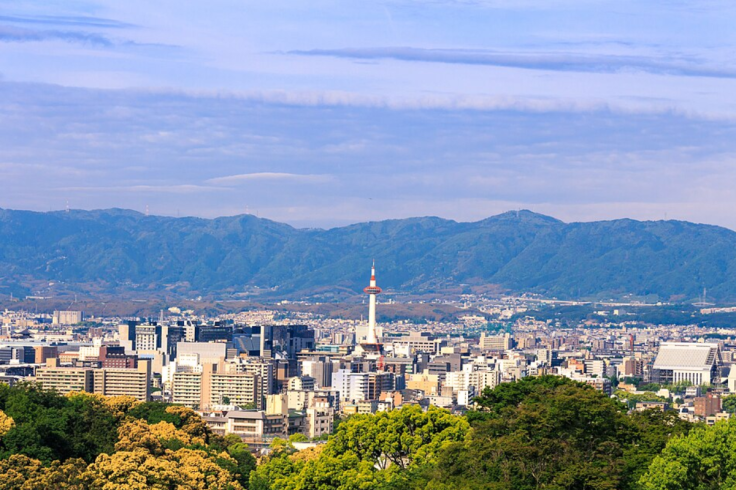
The remote mountainous region outside Kyoto where Auburn University student James “Weston” Higginbotham was discovered has long carried a reputation among locals as dangerous terrain, with a history of hikers and visitors coming to harm in conditions that can turn severe with little warning.

Weston, 20, was found dead on June 6 after an eight-day search involving Japanese authorities and volunteer rescue teams working alongside support efforts from abroad. His mother, Nancy Higginbotham, confirmed the discovery in a Facebook post, saying rescuers located him in rugged mountain terrain far from the Kyoto train station where he was last seen.
The search covered steep forests and heavily wooded slopes outside the city, an area residents say is both beautiful and unforgiving, especially for visitors unfamiliar with its conditions.
A mountain region with a documented accident history
Locals describe the Kyoto hills as deceptively accessible, where well-traveled tourist routes can quickly shift into dense, disorienting wilderness. The area is part of a broader pattern seen across Japan’s mountain regions, which have recorded a high number of hiking incidents in recent years.
According to Nippon.com data, Japan recorded 2,946 hiking and mountain-climbing incidents in 2024, involving 3,357 people. Of those, 300 resulted in death or missing persons, while foreign tourists were involved in 99 incidents, affecting 135 individuals, including seven deaths or missing cases.
Authorities have noted that the number of mountain-related accidents has risen steadily since the early 2010s, when annual totals were below 2,000, reflecting increased tourism and greater exposure of inexperienced hikers to remote terrain.

Eight-day search across difficult terrain
Weston disappeared on May 29 after separating from his family near Kyoto during a trip to Japan. He was last seen in the Yamashina area after exiting a train station, before his phone later went offline.
What followed was an extensive search operation across steep, forested mountains outside the city. Japanese police deployed helicopters, K9 units, and ground teams, while volunteers joined efforts to comb through areas that were difficult to access due to elevation and dense vegetation.
At one point, the family also assisted in coordinated volunteer searches, working through sections of terrain that required long hikes and careful navigation.
It took eight days before volunteer search-and-rescue teams located Weston in a remote mountainous area outside Kyoto.
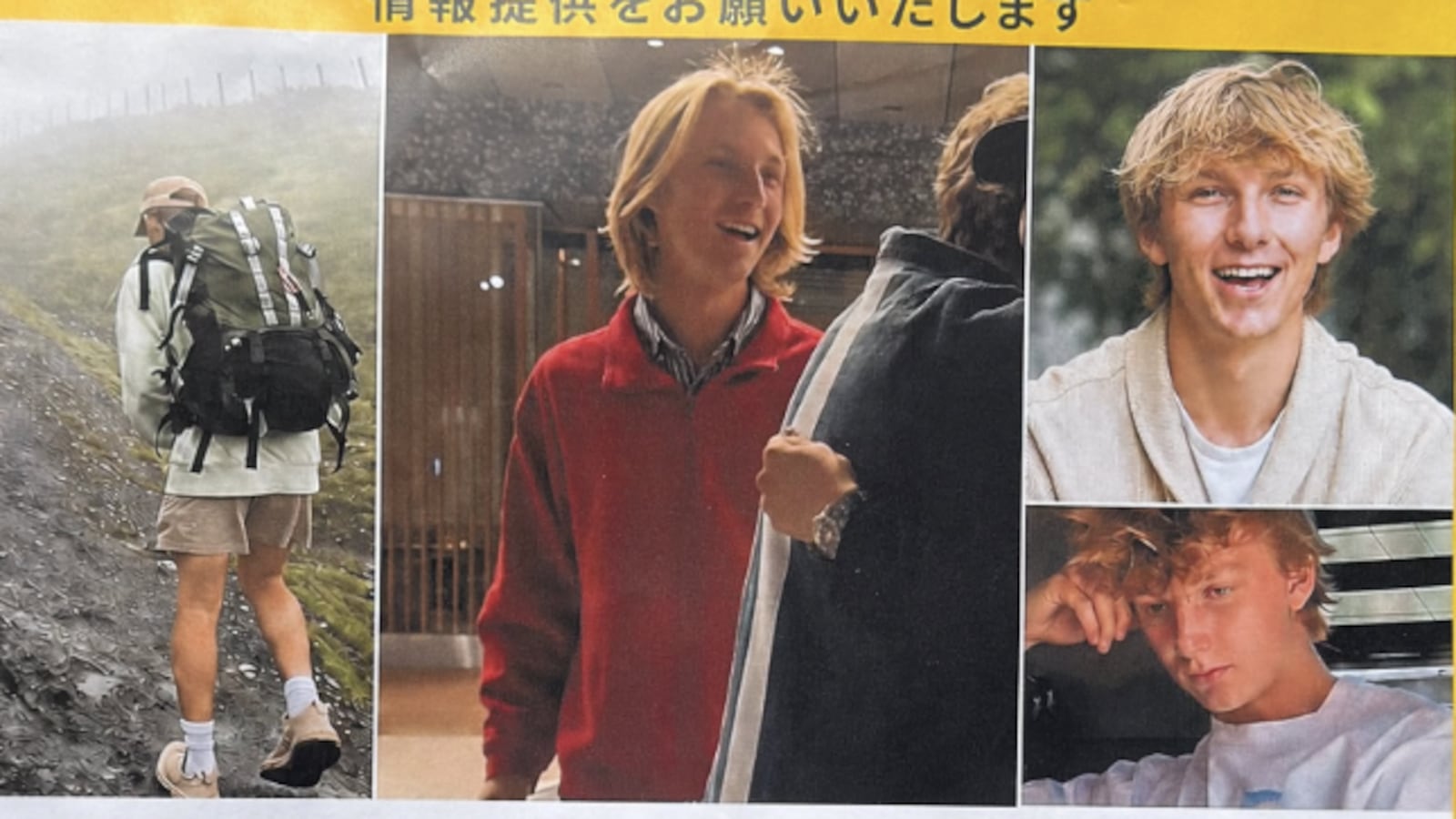
“Built to endure,” but conditions proved overwhelming
Before the discovery, Weston’s family described him as experienced in outdoor environments and confident in hiking and wilderness survival. They believed those skills might help him navigate the terrain while the search continued.
That hope ended when rescuers found his body. Authorities have not released a cause of death.
A wider pattern of risk in Japan’s outdoor tourism
Weston’s death has renewed attention on safety concerns in Japan’s rural and mountainous regions, especially as tourism continues to surge. Japan welcomed a record 42.7 million international visitors in 2025, according to the Japan National Tourism Organisation, placing additional pressure on popular destinations that sit near challenging natural landscapes.
Locals say many visitors underestimate how quickly conditions can change in mountainous areas around Kyoto, where dense forest cover, steep slopes, and limited signage can complicate navigation once hikers leave main paths.
As international travel grows, so too do incidents involving tourists who become lost or injured in remote terrain — a pattern Weston’s case has now painfully highlighted.

Family thanks global support
Following the discovery, Nancy Higginbotham expressed deep grief while thanking the global network of volunteers, authorities, and strangers who assisted in the search.
“Our family is heartbroken,” she wrote. “The grief we feel is impossible to put into words.”
She asked for privacy as the family begins to grieve, closing an eight-day search that brought together efforts from two countries and countless volunteers but ended in tragedy in the Kyoto mountains.